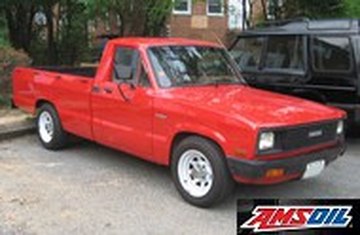
Maintaining the 2.2L Diesel Engine in a 1982 Mazda B2200 PICKUP
Owning and maintaining a vintage diesel utility vehicle like the 1982 Mazda B2200 PICKUP requires a disciplined approach to routine service. The 2.2L diesel engine is a mechanical component that relies heavily on consistent lubrication and clean fluid systems to operate effectively over long periods. Because older diesel engines often operate under different thermal and pressure conditions than modern counterparts, staying attentive to the condition of your lubricants and the integrity of the engine's seals is a fundamental part of ownership.
Monitoring Lubricant Condition and Consumption
One of the most effective ways to monitor the health of the 2.2L diesel engine is through regular observation of the oil. While many owners focus solely on the interval between changes, the actual condition of the lubricant can provide significant clues about engine operation. If you notice a change in the appearance or consistency of the oil, it warrants closer investigation.
For instance, an unusual odor or a significant change in the color and texture of the oil may indicate that something is entering the lubrication system. Similarly, if you find yourself needing to add oil more frequently than usual, this could be associated with various factors ranging from minor seepage to different consumption patterns. Rather than assuming a specific cause, it is best to treat any unexpected change in oil level or appearance as a signal to perform a thorough inspection of the engine bay.
When performing these checks, look for signs of fluid that may have migrated away from its intended path. Even small amounts of seepage around various gaskets and seals can accumulate over time. Identifying these areas early allows for more controlled maintenance decisions rather than reacting to unexpected issues later.
Practical Inspection Priorities for Aging Diesel Engines
As a vehicle reaches several decades of age, the focus of maintenance often shifts from simple part replacement to condition-based monitoring. For the 1982 Mazda B2200 PICKUP, this means looking at how materials are holding up under the heat and vibration inherent in diesel operation.
When conducting a routine inspection, consider the following areas:
- Sealing Surfaces: Inspect various gaskets and seals for signs of age-related seepage. It is common for older rubber and composite materials to lose some of their ability to maintain a perfect seal over time.
- Fluid Integrity: Beyond just engine oil, check other vital fluids for clarity and contamination. Diesel engines are sensitive to the quality of the fuel and the cleanliness of the lubrication system.
- Hoses and Connections: If present, inspect any visible hoses for signs of hardening, cracking, or bulging. Ensuring that these components can handle the operating pressures is essential for preventing sudden leaks.
- Electrical Integrity: Check that wiring harnesses and electrical connectors are secure and free from significant corrosion or fraying, as these can affect sensor accuracy and overall engine management.
By prioritizing these inspections, you move away from a "replace everything" mentality and toward a more efficient strategy of addressing components based on their actual state of wear.
Establishing a Maintenance Baseline
For many owners of a 1982 Mazda B2200 PICKUP, the vehicle's full service history may not be readily available. Without a clear record of what has been replaced or when fluids were last changed, the most effective first step is to establish a maintenance baseline.
This process involves performing a comprehensive inspection and documenting the current state of all major service items. Once you have recorded the condition of the belts (if equipped), the clarity of the fluids, and the presence of any existing leaks, you create a "starting point." This documentation is invaluable for future troubleshooting. If a new symptom arises six months later, you can compare it against your baseline to determine if something has actually changed or if the issue was always present.
Keeping a dedicated log of every oil change, filter replacement, and minor repair helps transform maintenance from a reactive chore into a proactive management strategy. This history not only aids in the longevity of the 2.2L diesel engine but also provides clarity when deciding which repairs are necessary and which can be deferred.
Managing Long-Term Engine Health
Effective long-term ownership involves distinguishing between preventive maintenance and unnecessary component replacement. In an older diesel pickup, it is easy to feel that every aging part is a ticking time bomb. However, the most successful approach is to focus on the systems that directly impact engine stability.
Focus your attention on maintaining clean air filtration and ensuring the lubrication system is never compromised by contaminated oil. Diesel engines rely on high-quality combustion, which is heavily influenced by the quality of the air entering the engine and the cleanliness of the fuel being delivered. When these two factors are managed alongside consistent oil service, the mechanical stresses on the engine are significantly reduced.
If you encounter an active leak or a warning indicator, address it immediately. Addressing small issues—such as a weeping seal or a slightly degraded belt—is far more cost-effective than managing the consequences of a component failure that leads to a loss of fluid or mechanical timing.
Selecting Lubricants for Diesel Applications
The choice of engine oil is critical for the 2.2L diesel engine in this Mazda B2200 PICKUP. Because diesel combustion produces different byproducts than gasoline engines, the lubricant must be capable of managing these specific conditions. When selecting a product, consider the following:
- Oil Formulation: Depending on your specific needs and the current condition of your engine, you may choose between conventional, synthetic blend, or full synthetic oils. Some high-mileage oil formulations contain additives intended for use in aging engines, including seal-conditioning additives that may help maintain the integrity of older gaskets.
- Contamination Control: Look for lubricants that are formulated to resist the buildup of deposits and sludge, which can occur when oil is exposed to the high thermal loads of a diesel engine.
- API Certification: Always verify that the oil carries the appropriate API service category for your specific diesel application to ensure it meets modern standards for soot handling and oxidation resistance.
It is important to avoid making assumptions based solely on the age of the vehicle. While some owners believe older engines require thicker oils, the most important factor is matching the lubricant to the requirements of the engine as specified in your technical documentation.
Practical Advice for Buying Engine Oil for your 1982 Mazda B2200 PICKUP 2.2L
When you are ready to purchase new lubricant, do not rely on general automotive knowledge or guesses regarding viscosity. Instead, match the engine oil to the application-specific viscosity information shown above on this page. The most reliable way to ensure your engine receives the correct protection is to follow the specific guidance provided in the vehicle's technical data.
Before completing your purchase, carefully check the product labels to confirm that the SAE viscosity and API service ratings align with the requirements listed for your 2.2L diesel engine. Whether you opt for a conventional oil or a high-mileage formulation, the priority must always be adherence to the specific application information provided for this exact vehicle.